LinkedIn is one of the world’s most popular tools for finding and applying to jobs. By building an impressive LinkedIn profile and adding your resume to the platform, you can attract the attention of recruiters or even increase your professional connections in a few simple steps.
With over 756 million members in 200 countries, it’s no surprise that LinkedIn is one of the world’s most popular tools for finding and applying to jobs. By building an impressive LinkedIn profile and adding your resume to the platform, you can attract the attention of recruiters or even increase your professional connections in a few simple steps. However, there are some important questions to ask yourself before uploading your resume to LinkedIn.
While the LinkedIn profile itself acts as your resume (and so much more), employers may wish to see the resume document itself. LinkedIn offers so much more space for multimedia to flesh out your career story, but not everyone is on LinkedIn (or their work may restrict access), so nothing beats a resume document. LinkedIn is the window into your career – your resume is the key tool for career storytelling during any interview process.
In this blog, we’ll discuss the different ways to add your resume to LinkedIn and how to decide which option is right for you.
Here’s what we’ll cover:
Where to add a resume in LinkedIn
The steps for uploading your resume to LinkedIn
The pros and cons of including your resume on the site
How to send a resume on LinkedIn
A stellar LinkedIn profile with an uploaded resume shows that you are ready to go in your job search. When hiring managers don’t even need to contact you to float your resume across the desk of a potential hiring manager, you really are in the job search driving seat.
Expert tip
Should you upload your resume to LinkedIn?
At its core, LinkedIn is a site that allows you to attract recruiter’s attention by showcasing the same information they would find on your resume. While you should add relevant information to each of the built in sections like Employment History or Education, posting your full resume file to the site is not always advisable. Read on to find out the pros and cons of each way to post your CV to LinkedIn.
How to add a resume to LinkedIn
When it comes to uploading your resume to LinkedIn, there are a few different ways to add it to the site. Many of these processes have stayed the same for a while. LinkedIn want to make it easy for you – they exist to help people network and find a new job.
In this chapter, we’ll discuss your options as well as the benefits and drawbacks of each.
Using the “Featured Media” feature to upload your resume in LinkedIn
If you want recruiters to find your entire document just as it exists on paper, then adding your resume in LinkedIn as featured media is the easiest way to go. This function allows you to simply attach your resume file to the Featured Media section so it will be one of the first things a recruiter sees on your LinkedIn profile. Make sure to put it at the top of the profile section on the left (you can rearrange them).
Make sure that your resume is clearly titled in the featured media section.If you have other documents in the section, that should take a back seat. Consider using caps to title your resume to make it stand out. You can even change the picture for it so that it stands out on the profile. Color is not a bad idea here.
Here are the steps to attach your resume to LinkedIn using Featured Media:
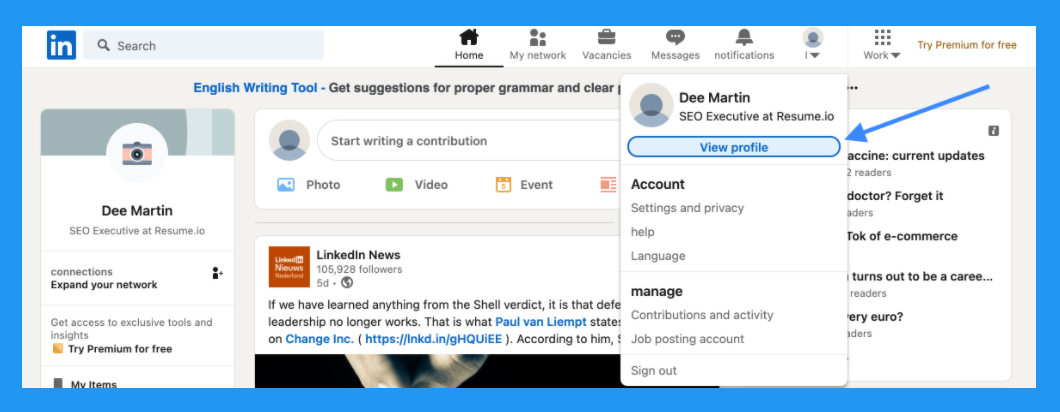
1. Navigate to your profile page
Navigate to your LinkedIm profile page.
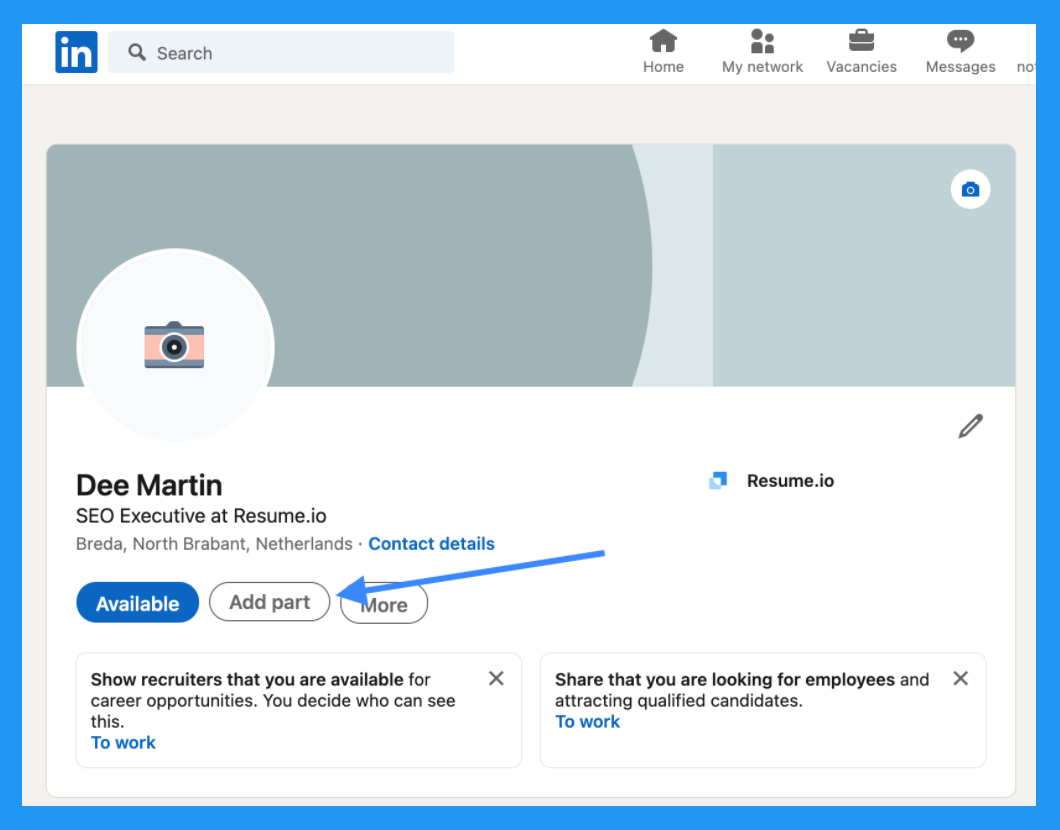
2. On the left-hand side, underneath your name and connections, choose the grey bubble labeled “Add section”
Navigate to your LinkedIm profile page.
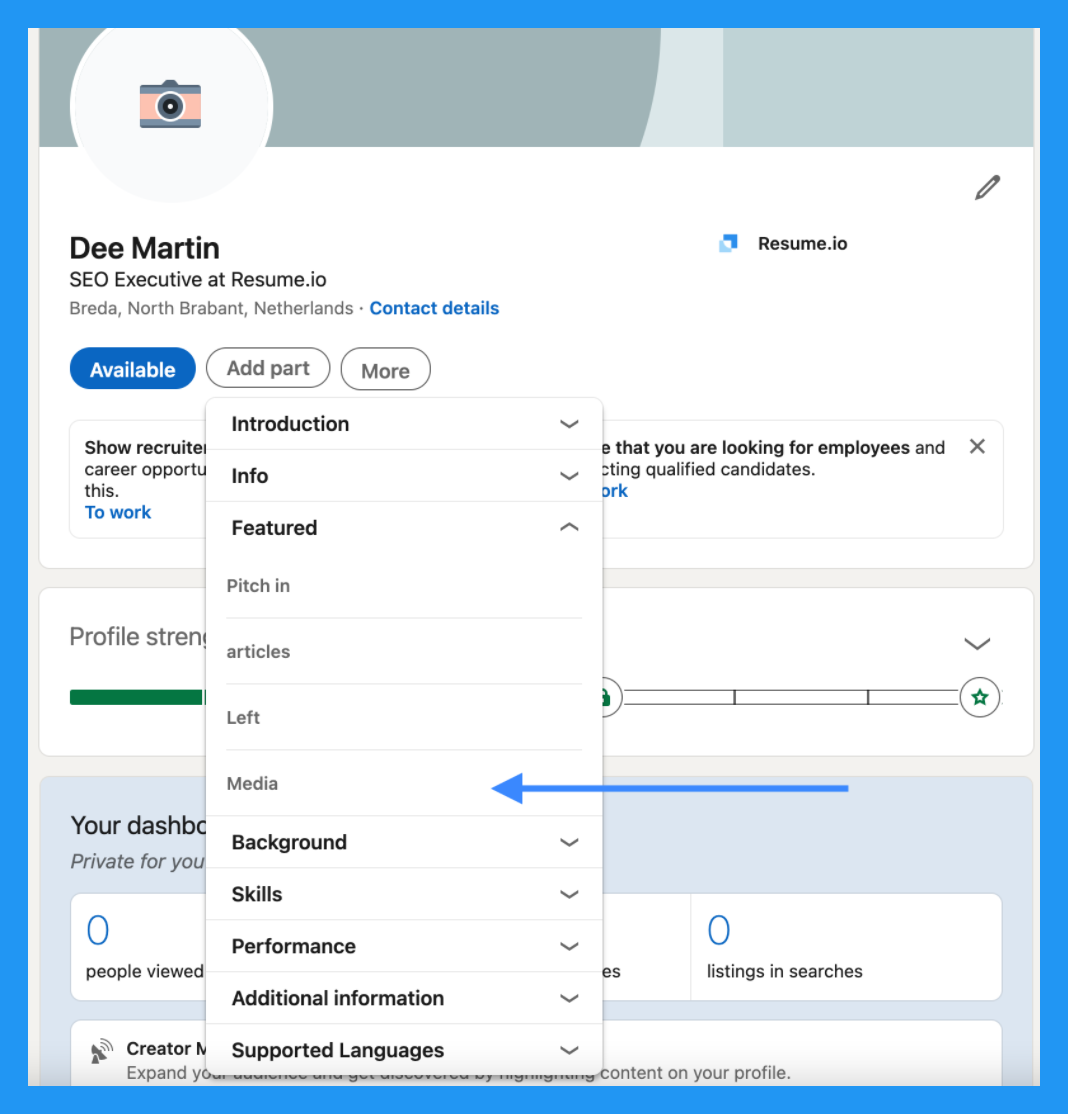
3. In the drop down menu labeled “Featured,” choose “Media”
How to upload your resume in LinkedIn
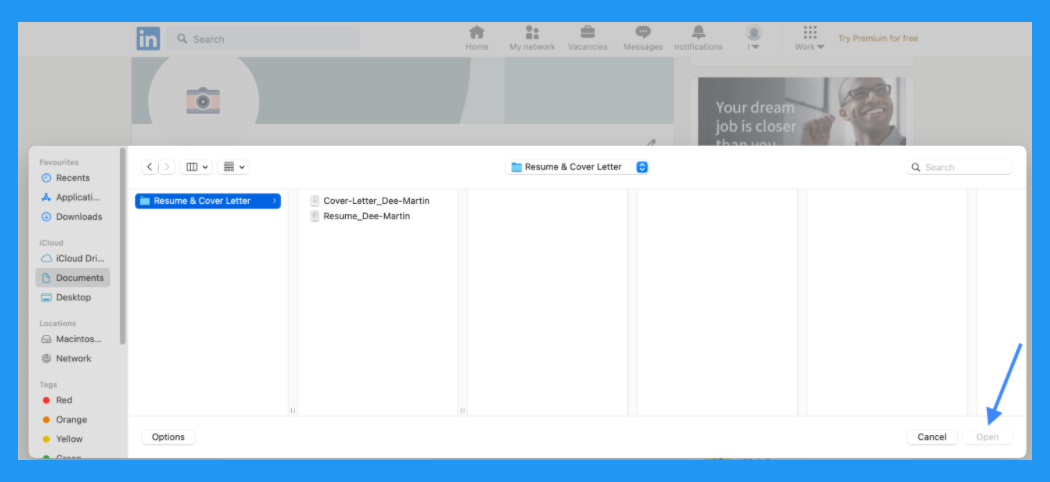
4. Navigate to the file on your computer and click “Open”
How to upload your resume in LinkedIn
Pros: If you want a recruiter to find your full and complete resume just as it would be if you emailed it to them, this is the best way to make sure they see it on your LinkedIn. Sure, they may email you, but if they can download it from here you are saving them time.
Cons: Since an up-to-date LinkedIn profile contains most of the elements on your resume, uploading your resume as Featured Media may give the impression that you’re not quite comfortable using the platform to its fullest. You may also be wasted the fantastic opportunity of the featured media section.
Expert tip
How do I post my resume to LinkedIn?
An alternative to using the “Featured Media” option is simply to make a post that includes your resume. While it won’t be nearly as visible on your profile, it will catch the eye of any of your connections scrolling through their feed. If there are any potential employers, future colleagues or recruiters – this will show them your resume. Just make sure to write some appropriate/engaging text as well.
To post your resume, begin by navigating to the home page (look for the house icon on the upper banner.) Write a post just as you would on any other social media platform. Use the “Add a document” icon to include your resume before you send your post into the world!
2. Add your resume information to each LinkedIn section
If your goal is just to share the information that’s on your resume and you don’t care about the recruiter seeing the actual file, then transferring your experience to each LinkedIn section instead of adding the actual resume to LinkedIn is the best way to go. As with any resume, you need to hope that they will be interested enough to scroll to the bottom and read all of your wonderful experience.
It may be seen as a little lazy to simply copy/paste your resume into each section. Don’t do that. LinkedIn offers far more space to describe your experiences, so consider adding to what is on your resume. Use devices such as bullet points to focus on your core selling points. You should also make the information on your LinkedIn profile as general as possible to attract various interest from different employers. Your LinkedIn profile shouldn’t be too narrow.
Here’s how to do that:
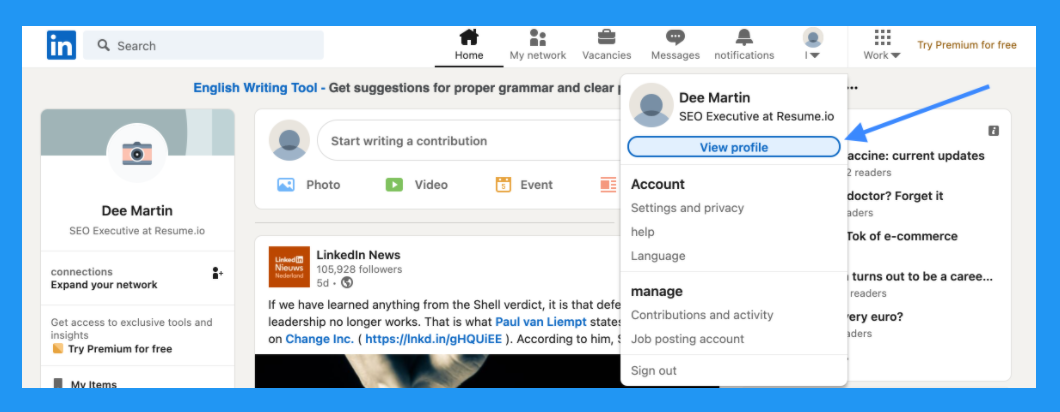
1. Navigate to your profile
Navigate to your LinkedIn profile
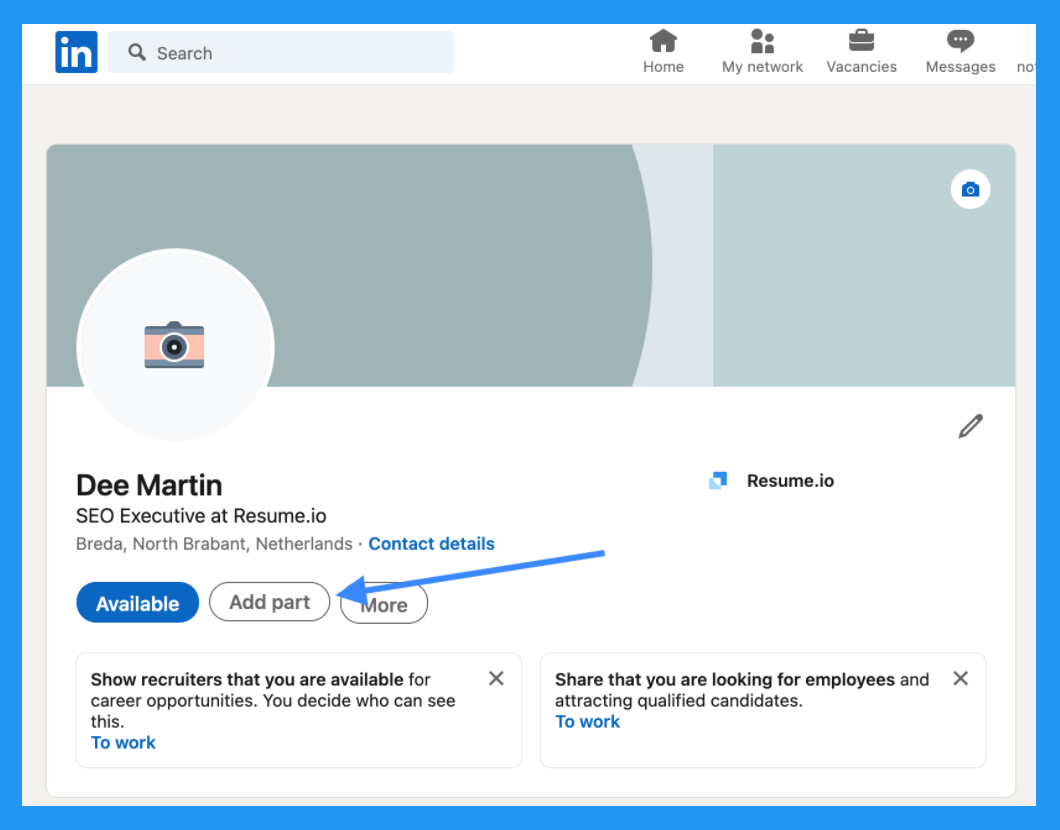
2. On the left-hand side, underneath your name and connections, choose the grey bubble labeled “Add section”
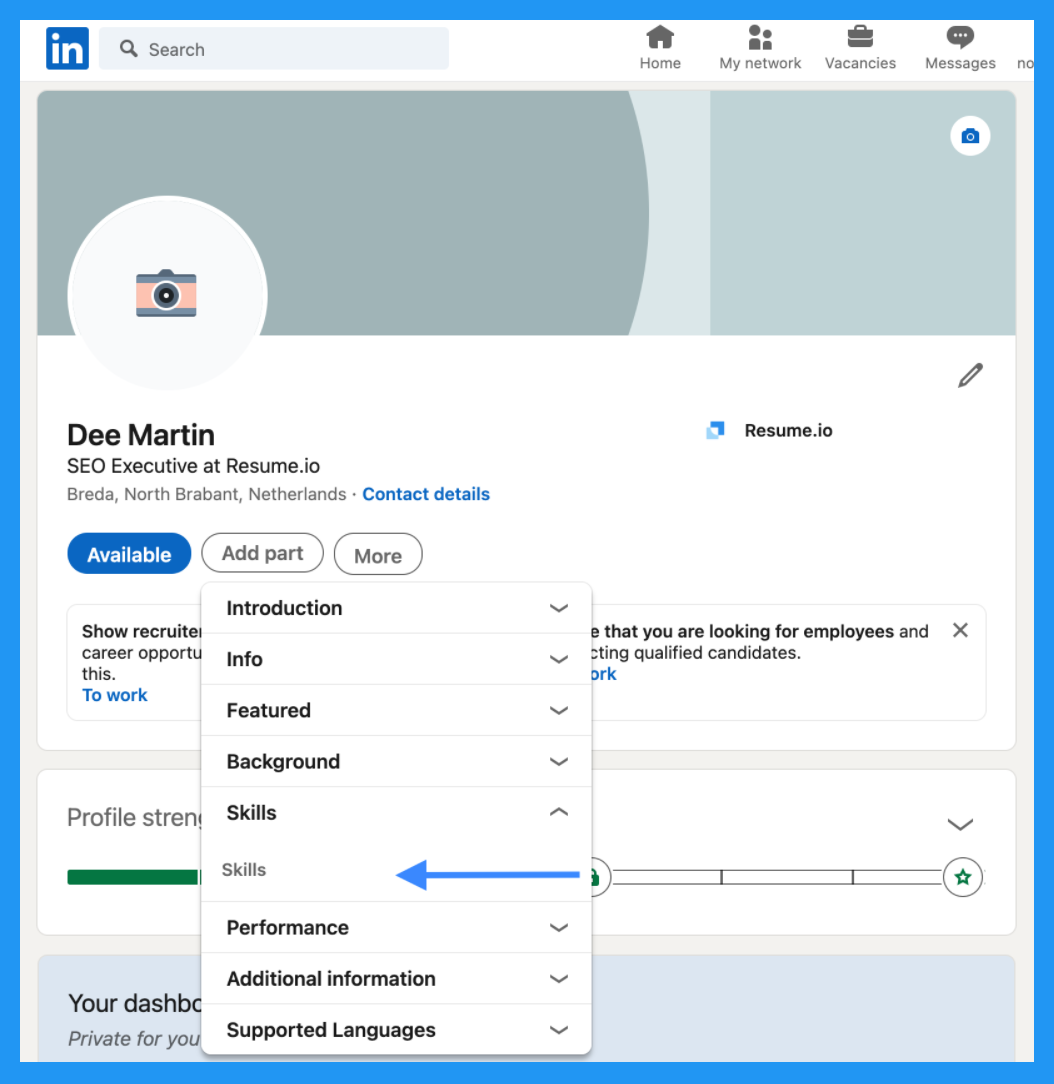
3. Use the drop down menus to navigate to all the different possible sections including “Work Experience,” “Skills” and “Education”
Add Skills on LinkedIn
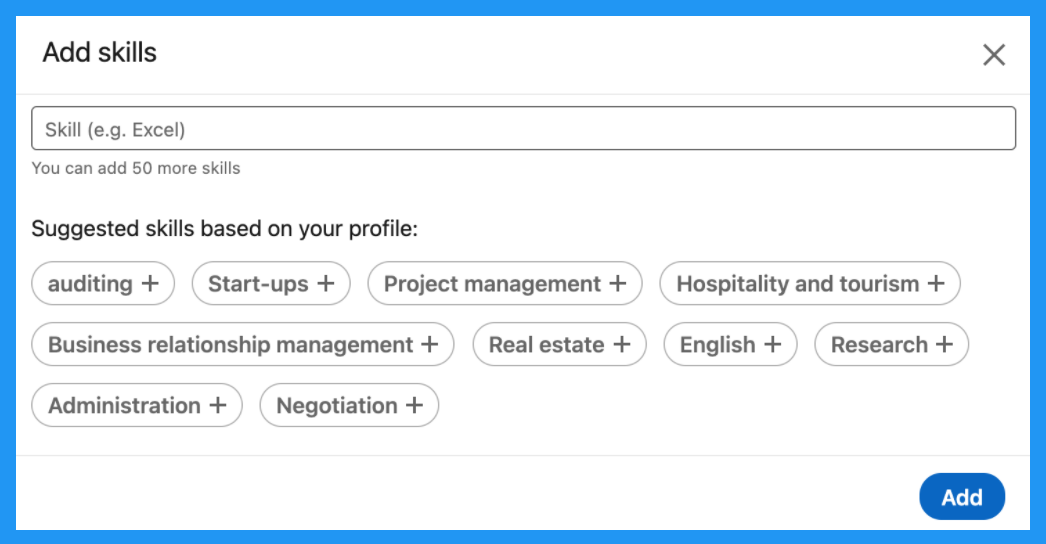
4. Copy over the information from your resume into the corresponding boxes on LinkedIn
Add skills to your LinkedIn Profil
In short, always remember that a great LinkedIn profile often (not always) performs the function of a resume!
Pros: This is the way LinkedIn is intended to be used so this method serves to give a complete picture of your career path and also demonstrates that you’re comfortable with the platform.
Cons: This isn’t the way you should submit your resume when applying for jobs. We’ll cover that next.
एपी लॉवेट परीक्षा 2026 के परिणाम आज यानी 18 मई 2026 को 3 वर्षीय और 5 वर्षीय एलएलबी प्रवेश परीक्षा के लिए आधिकारिक एपी एससीएचई वेबसाइट – cets.apsche.ap.gov.in पर घोषित किए जाएंगे। यहां दिए गए लिंक पर क्लिक करके अपना एपी लॉवेट रैंक कार्ड और स्कोरकार्ड ऑनलाइन डाउनलोड करें।
एपी लॉवेट परीक्षा 2026 के परिणाम आज घोषित हो गए हैं – रैंक कार्ड देखने के लिए सीधा लिंक
आंध्र प्रदेश राज्य उच्च शिक्षा परिषद (APSCHE) द्वारा आज ऑनलाइन माध्यम से AP LAWCET 2026 के परिणाम जारी किए जाएंगे। ये परिणाम उन उम्मीदवारों के लिए होंगे जिन्होंने AP LAWCET और AP PGLCET 2026 परीक्षाओं में भाग लिया था। AP LAWCET 2026 का परिणाम APSCHE की आधिकारिक वेबसाइट – cets.apsche.ap.gov.in – पर उपलब्ध होगा, जहां परिणाम लिंक सक्रिय होते ही छात्र अपने अंक, योग्यता स्थिति और रैंक देख सकेंगे।
इन परिणामों में 2026-27 शैक्षणिक सत्र के लिए 3 वर्षीय एलएलबी, 5 वर्षीय एकीकृत एलएलबी और एलएलएम (एपी पीजीएलसीईटी के माध्यम से) में प्रवेश शामिल होंगे, और उम्मीदवारों को अपना स्कोरकार्ड डाउनलोड करने के लिए अपने पंजीकरण नंबर, हॉल टिकट नंबर और जन्म तिथि का उपयोग करके लॉग इन करना होगा।
छात्रों को एपी लॉडब्ल्यूईसीटी 2026 रैंक कार्ड पर नाम, रोल नंबर, अंक, रैंक और श्रेणी जैसे विवरणों का सत्यापन करना चाहिए, और किसी भी विसंगति के मामले में उन्हें काउंसलिंग शुरू होने से पहले तुरंत एपी लॉडब्ल्यूईसीटी/एपी पीजीएलसीईटी हेल्पडेस्क से संपर्क करना चाहिए।
एपी लॉडब्ल्यूसीईटी परिणाम 2026 की मुख्य बातें
एपीएससीएचई इस वर्ष राज्य स्तरीय विधि प्रवेश परीक्षा में शामिल हुए सभी उम्मीदवारों के लिए एपी लॉक्वेट 2026 के परिणाम अपने आधिकारिक सीईटी पोर्टल पर प्रकाशित करेगा। एपी लॉक्वेट (3 वर्षीय और 5 वर्षीय एलएलबी) और एपी पीजीएलसीईटी (एलएलएम) दोनों के लिए स्कोरकार्ड जारी किए जाएंगे, और उम्मीदवार काउंसलिंग और सीट आवंटन के दौरान संदर्भ के लिए अपने अनंतिम रैंक कार्ड डाउनलोड करने के लिए cets.apsche.ap.gov.in/LAWCET पर लॉग इन कर सकते हैं। इन परिणामों का उपयोग आंध्र प्रदेश के भाग लेने वाले विधि कॉलेजों में प्रवेश के लिए मेरिट सूची, कट-ऑफ और काउंसलिंग कार्यक्रम तैयार करने के लिए किया जाएगा।
परीक्षा का नाम
एपी लॉ एंट्रेंस टेस्ट 2026 – आंध्र प्रदेश विधि सामान्य प्रवेश परीक्षा
संचालन निकाय
आंध्र प्रदेश राज्य उच्च शिक्षा परिषद (एपीएससीएचई)
पाठ्यक्रम शामिल हैं
3 वर्षीय एलएलबी, 5 वर्षीय एकीकृत एलएलबी, एलएलएम के लिए एपी पीजीएलसीईटी 2026
परीक्षा तिथि
4 मई 2026
एपी लॉवेट परिणाम तिथि 2026
18 मई 2026 (आज – संभावित रिलीज तिथि)
परिणाम मोड
ऑनलाइन स्कोरकार्ड और रैंक कार्ड
आधिकारिक परिणाम वेबसाइट
cets.apsche.ap.gov.in/LAWCET
लॉगिन विवरण आवश्यक है
पंजीकरण संख्या, एपी लॉक्वेट हॉल टिकट संख्या, जन्म तिथि
रैंक कार्ड पर विवरण
उम्मीदवार का विवरण, अंक, रैंक, योग्यता स्थिति
🔔 सरकारी नौकरी का कोई भी मौका अब कभी न चूकें!
⚡ अपनी योग्यता (10वीं | 12वीं | डिप्लोमा | आईटीआई | स्नातक, आदि) के आधार पर सरकारी नौकरी संबंधी अलर्ट प्राप्त करेंअब शामिल हों
एपी लॉवेट रिजल्ट 2026 का डायरेक्ट लिंक
एपी लॉडब्ल्यूईसीटी 2026 का परिणाम देखने के लिए सीधा लिंक आज आधिकारिक एपीएससीएचई सीईटी पोर्टल पर उपलब्ध होगा, जिससे उम्मीदवार कई पेज पर जाए बिना आसानी से अपना स्कोर कार्ड देख सकेंगे। इस लिंक के माध्यम से, एपी लॉडब्ल्यूईसीटी तृतीय वर्षीय एलएलबी, पंचवर्षीय एलएलबी और एपी पीजीएलसीईटी परीक्षा में शामिल हुए छात्र आगामी काउंसलिंग और सीट आवंटन राउंड के लिए अपने अंक, समग्र रैंक और श्रेणी रैंक देख सकते हैं। परिणाम जारी होने के बाद, उम्मीदवार नीचे दिए गए एपी लॉडब्ल्यूईसीटी 2026 के सीधे लिंक पर क्लिक करके और अपने पंजीकरण विवरण के साथ लॉग इन करके पीडीएफ प्रारूप में अपना रैंक कार्ड डाउनलोड कर सकते हैं।
एपी लॉडब्ल्यूसीईटी 2026 के परिणाम ऑनलाइन कैसे देखें
उम्मीदवारों को सलाह दी जाती है कि वे अपना एपी लॉवेट पंजीकरण नंबर और हॉल टिकट नंबर तैयार रखें ताकि परिणाम लिंक सक्रिय होते ही वे लॉग इन कर सकें। आधिकारिक चरण-दर-चरण प्रक्रिया का पालन करने से लॉगिन त्रुटियों से बचा जा सकता है और यह सुनिश्चित होता है कि काउंसलिंग के दौरान उपयोग के लिए सही स्कोरकार्ड डाउनलोड हो जाए।
एपी लॉडब्ल्यूसीईटी 2026 का परिणाम देखने की चरण-दर-चरण प्रक्रिया
अपने ब्राउज़र में cets.apsche.ap.gov.in/LAWCET टाइप करके आधिकारिक APSCHE CET पोर्टल पर जाएं।
होमपेज पर, एपी लॉवेट रिजल्ट 2026 या रैंक कार्ड डाउनलोड करें नामक लिंक ढूंढें और उस पर क्लिक करें।
आपको एपी लॉडब्ल्यूसीईटी परिणाम लॉगिन पृष्ठ पर पुनर्निर्देशित किया जाएगा, जहां आपको पहले फ़ील्ड में अपना पंजीकरण नंबर दर्ज करना होगा।
दूसरे फ़ील्ड में अपना AP LAWCET हॉल टिकट नंबर दर्ज करें और फिर अपनी जन्मतिथि दिए गए प्रारूप में प्रदान करें।
आगे बढ़ने के लिए व्यू रिजल्ट या सबमिट बटन पर क्लिक करें और स्क्रीन पर एपी लॉडब्ल्यूसीईटी 2026 स्कोरकार्ड खुलने का इंतजार करें।
अपना नाम, रोल नंबर, अंक और रैंक ध्यानपूर्वक जांच लें और फिर भविष्य में संदर्भ और काउंसलिंग के लिए रैंक कार्ड पीडीएफ को सहेजने के लिए डाउनलोड या प्रिंट विकल्प पर क्लिक करें।
एपी लॉडब्ल्यूसीईटी 2026 रैंक कार्ड पर उल्लिखित विवरण
एपी लॉवेट रैंक कार्ड में काउंसलिंग और प्रवेश के लिए आवश्यक महत्वपूर्ण जानकारी होगी। उम्मीदवारों को सभी विवरणों की जांच करनी चाहिए और सुनिश्चित करना चाहिए कि जानकारी उनके आवेदन और हॉल टिकट से मेल खाती हो।
मुख्य विवरणों में निम्नलिखित शामिल हैं:
उम्मीदवार का नाम, फोटो और हस्ताक्षर
हॉल टिकट संख्या और पंजीकरण संख्या
श्रेणी और लिंग
कुल प्राप्त अंक और अधिकतम अंक
अनुभागवार अंक (यदि लागू हो)
समग्र रैंक और श्रेणी रैंक
2026 में AP LAWCET या AP PGLCET में अर्हता प्राप्त करने की स्थिति
एपी लॉवेट परिणाम 2026 – अर्हता अंक और योग्यता
एपीएससीएचई ने एपी लॉसीईटी और एपी पीजीएलसीईटी के लिए न्यूनतम योग्यता अंक निर्धारित किए हैं, जिन्हें उम्मीदवारों को रैंकिंग के लिए विचार किए जाने हेतु प्राप्त करना आवश्यक है। प्राप्त अंकों और योग्यता कट-ऑफ के आधार पर, एक मेरिट सूची तैयार की जाती है जिसका उपयोग काउंसलिंग और भाग लेने वाले कॉलेजों में सीट आवंटन के लिए किया जाता है।
एपी लॉवेट 2026 के परिणाम के बाद काउंसलिंग
एपी लॉवेट 2026 के परिणाम घोषित होने के बाद, एपीएससीएचई उसी सीईटी पोर्टल पर काउंसलिंग कार्यक्रम की घोषणा करेगा। योग्य उम्मीदवारों को ऑनलाइन पंजीकरण करना होगा, काउंसलिंग शुल्क का भुगतान करना होगा, दस्तावेज अपलोड करने होंगे और तृतीय वर्षीय और पंचवर्षीय एलएलबी कार्यक्रमों में सीट आवंटन के लिए वेब ऑप्शन एंट्री में भाग लेना होगा।
You’ll get the most out of this guide if your desire to learn search engine optimization (SEO) is exceeded only by your willingness to execute and test concepts.
This guide is designed to describe all major aspects of SEO, from finding the terms and phrases (keywords) that can generate qualified traffic to your website, to making your site friendly to search engines, to building links and marketing the unique value of your site.
The world of search engine optimization is complex and ever-changing, but you can easily understand the basics, and even a small amount of SEO knowledge can make a big difference. Free SEO education is also widely available on the web, including in guides like this! (Woohoo!)
Combine this information with some practice and you are well on your way to becoming a savvy SEO.
The basics of search engine optimization
Ever heard of Maslow’s hierarchy of needs? It’s a theory of psychology that prioritizes the most fundamental human needs (like air, water, and physical safety) over more advanced needs (like esteem and social belonging). The theory is that you can’t achieve the needs at the top without ensuring the more fundamental needs are met first. Love doesn’t matter if you don’t have food.
Our founder, Rand Fishkin, made a similar pyramid to explain the way folks should go about SEO, and we’ve affectionately dubbed it “Mozlow’s hierarchy of SEO needs.”
Here’s what it looks like:
As you can see, the foundation of good SEO begins with ensuring crawl accessibility, and moves up from there.
Using this beginner’s guide, we can follow these seven steps to successful SEO:
Crawl accessibility so engines can read your website
Compelling content that answers the searcher’s query
Keyword optimized to attract searchers & engines
Great user experience including a fast load speed and compelling UX
Share-worthy content that earns links, citations, and amplification
Title, URL, & description to draw high click-through-rate (CTR) in the rankings
Snippet/schema markup to stand out in SERPs
We’ll spend time on each of these areas throughout this guide, but we wanted to introduce it here because it offers a look at how we structured the guide as a whole.
For true beginners. Learn what search engine optimization is, why it matters, and all the need-to-know basics to start yourself off right. Download your free Quick Start Worksheet.
If search engines literally can’t find you, none of the rest of your work matters. This chapter shows you how their robots crawl the Internet to find your site and add it to their indexes.
Our approach targets users first because that’s what search engines reward. This chapter covers keyword research and other methods to determine what your audience is seeking.
This is a hefty chapter, covering optimized design, user experience, information architecture, and all the ways you can adjust how you publish content to maximize its visibility and resonance with your audience.
Basic technical knowledge will help you optimize your site for search engines and establish credibility with developers.
By implementing responsive design, robot directives, and other technical elements like structured data and meta tags, you can tell Google (a robot itself) what your site is all about. This helps it rank for the right things.
Learning SEO can sometimes feel like learning another language, with all the jargon and industry terms you’re expected to know. This chapter-by-chapter glossary will help you get a handle on all the new words.
Moz Academy SEO Essentials Certification
Organize your learning with Moz’s SEO Essentials Certification. Learn with on-demand videos and task lessons, test your knowledge with exams at the end of each section, and top it all off with shiny new credentials to share with your professional network.
How much of this guide do I need to read?
If you’re serious about improving search traffic we do recommend reading the Beginner’s Guide to SEO front-to-back. We’ve tried to make it as concise and easy to understand as possible, and learning the basics of SEO is a vital first step in achieving your online business goals.
Go through at the pace that suits you best, and be sure to take note of the dozens of resources we link to throughout the chapters — they’re also worthy of your attention.
If you want to take a more guided approach to learning SEO or training your entire team, check out the Moz Academy SEO Essentials Certification. We’ve consolidated all the resources you need to learn SEO fundamentals alongside unique learning methods, task lessons and quizzes to test your knowledge. You can also display your knowledge with your Linkedin Moz SEO Essentials certification badge.
Search Engine Optimization is the practice of using various strategies to improve a website’s usability, quality and visibility and increase traffic in unpaid, algorithm-driven search engine results. Also referred to as Organic SEO, it improves the search experience of a website.
The main goal of SEO is to improve a website’s ranking on search engine results pages by fulfilling users’ search intent with relevant, high-quality, and authoritative content while providing the best possible user experience. The techniques used in SEO include on-page edits, off-page techniques, web server changes, and an understanding of Google RankBrain, E-E-A-T, and other AI systems.
SEO involves a complex series of hundreds of codependent variables that are weighted by keyword intent across a trillion webpages to determine the most appropriate answer to a query. This is not usually for the novice that wants a top-10 ranking out of millions of results for keywords that can change their lives. Highly competitive, this is a serious game best played by experts.
Effective Strategies for Improving Website Ranking with SEO – Learn proven techniques to boost your website’s visibility and climb the search engine rankings with effective SEO strategies.
Why Do SEO?
SEO helps to increase a website’s visitor traffic from search engine organic rankings.
SEO does that by making the site’s content more relevant and competent than the competition.
SEO influences relevancy by improving the internal and external factors that influence experience, expertise, authoritativeness, and trustworthiness (E-E-A-T).
SEO involves keywords, on-page content, links and mentions, server issues such as speed, page layout and performance, with a usual focus on Google search.
SEO is a major part of digital marketing that includes technical web programming expertise combined with business, persuasion, sales, luck, magic, and a love for competitive puzzle solving.
NOTE: I personally believe that there will soon be a boost in ranking for sites with high engagement. If a page is not engaging then that opportunity for ranking is lost. Add videos, add tools, add entertaining and learning items that engage and your site will be and rank better. Does that make it Engagement, Experience, Expertness, Authoritativeness, and Trustworthiness? I think so.
This section contains expert SEO information, software tools, and a tutorial guide answering how to do search engine optimization – SEO for your website for Google ranking. Answering “what is SEO” for web position results, how to optimize a website using what you have learned, and even including free tools and advice. We answer how to learn Search Engine Optimization.
On-page optimization – The modification of page content, navigation, structure and experience to enhance the ranking of a page in the search results.
SEO involves many search engine optimization elements: on-page technical issues, on-page copywriting issues, expertness (inbound, outbound, and internal links), server issues, and Siloing. In general, based upon the needs of the SEO services often include comprehensive page edits including META tags as needed, keyword research, review and advice on Silo structure implementation, creating, adding or revising content, sitemap validation (crawled and XML), Google Search Console and Analytics validation, search engine ranking reports, monthly status teleconferences with clients, analytics reporting (search statistics), accompanied by comprehensive account management. Linking within the site or page (link magnet research and development and other identified activities) will be validated.
The SEO will review the Website for key SEO elements believed to be important to facilitate organic search engine optimization. This review is conducted throughout the project to identify areas requiring repair. The SEO elements include site architecture and page construction (directory structure, layout, title, description, headings, image alts, and link tags), content (keyword frequency, density and distribution) and page speed performance. The purpose of the review is to identify SEO elements that could hinder the site from being well ranked in the search engines and will be used and adapted throughout the remainder of the SEO project. Since the search engines do not publish their ranking criteria or algorithms, a consulting project of this nature is based on professional experience, opinion and current beliefs – so to some extent it is a guess.
Off-page optimization – Gaining organic authoritative inbound links from other websites, proper placement of outbound links to other expert sites, the management of sentiment in discussions and comments about your website, and general branding activities.
The SEO will perform a link analysis review for the website to identify potential penalties, recommending opportunities and risks associated with existing or future linking opportunities and identifying strategies for opportunities to improve the expert stature of the site through linking programs. This review is conducted throughout the SEO project to identify areas requiring repair. The review will include existing inbound and outbound linking practices, and may include tasks associated with the removal of poor and generally harmful existing links (link pruning tasks).
Server Optimization – This is a technical effort to improve site speed and performance by tuning the parameters and settings on the website server and content management system including plugins, image formats, content delivery networks, javascript and css file formats and processing, ecommerce implementations, templates, international considerations, spidering and indexing issues, and other activities to comply with various laws such as ADA compliance. Much of the Core Web Vital activity will occur here.
SEO Tools – There are hundreds of tools available on the market, some free and some paid. In most cases the paid tools are very comprehensive and powerful. In many cases they are specific to a task such as focusing on spidering a website. In other cases there are free tools, commonly for the DIY SEO to economically use… although many can fail, produce inaccurate information, or just plain not match data in other tools. The tools are commonly reporting one-size-fits-all numbers and suggestions and often are not focused on a problem specific to your website.
Access to tools that are paid and address specific data points and are designed for experts are recommended.
SEO Training – Since SEO is never done, training is never done. It is easy to take one of many “once-and-done” training courses but a real SEO knows that SEO training is perpetual. Normally the needed information flows fast and freely via Twitter or LinkedIn along with newsletters and blogs… but there is a lot of information, and much is speculation. SEOs need a site that focuses on continual training such as SEOtraining.com to complement their other readings if they want to remain current in their hectic and often chaotic daily SEO life.
The components of a solid training program starts with a great SEO course, often online and occasionally classroom, plus other deeper-dive subject courses, webinars, eBooks, Q&A videos and occasionally site reviews and even coaching. This, on a regular basis, is what allows a SEO to remain current.
How to do SEO
SEO: – It takes strategy and skill to improve both internal and external factors that influence ranking. Our SEO Guide covers how to do SEO with steps to follow and tools to use. For a high-level summary, check our SEO: How and Why blog post and our Simple Search Engine Optimization Guide.
We are experts. And we have created this series of individual guides to help you to understand the process, watch your progress, implement each sucessfully, and to ultimately achieve your SEO goals.
If you can do SEO better than your competitors, and you provide equal or better content for users, then you should achieve higher search engine rankings. And you’ll have a quality website capable of maintaining your revenue goals.
How To Do SEO Guide
We have many tools and run our own research about what works and what does not. Here you’ll find information and research results covering many recognized areas considered important: expertise, authority, trust, RankBrain, algorithm variables, linking strategies, server considerations, speed, schema and much more. The fact is, this free SEO guide will lead you through what you need to get ranked.
Each “lesson” explains SEO basics and guides you to do hands-on optimization using free SEO tools and bonus videos. So you’ll improve your organic search marketing know-how and your website!
The Bruce Clay SEO Guide follows the proven methodology that thousands of students have learned in our SEO training courses. It is based upon SEO research and experiments.
These lessons cover only “white hat” SEO methods.
Everything you learn here adheres to search engine guidelines — to keep your site out of the penalty box.
In this SEO tutorial, you’ll learn how to optimize your content effectively for search engine rankings and resulting SEO traffic. You’ll learn how to find technical SEO problems on your site. And you’ll learn how to earn the experience, expertise, authority and trust (E-E-A-T) that are the basis of Google’s definition of “quality.”
Bruce Clay set the standard for ethical web marketing by authoring the “SEO Code of Ethics.” This code has been translated into 18 languages. It has been a respected guideline in the ever-changing search marketing industry since 1996.
How Does a Website Rank, Anyway?
Search engines want to show the “best” results possible. They seek the most relevant, most expert and highest quality webpages that will satisfy the goal of the searcher.
To do this, the engines look at hundreds of factors (their ranking algorithm) to determine a webpage’s relevance to a search request.
Some of these factors are woven into the fabric of the website (on-page elements, server speed, etc.). Others are trust signals based on links from authoritative and reputable sites and, to some extent, social media engagement (off-page factors).
No single webpage, even with the best SEO practices and experts guiding the work, can be perfect in all 300+ ranking factors for the infinite number of keywords that exist. Search engine ranking comes from wisdom, expertise and sweat – and occasionally luck and magic. It definitely takes professionals to avoid it taking forever or the many pitfalls along the way. There is no “easy button”.
Further, no one knows precisely what the algorithm includes or how the factors are weighted to determine the search results for a given keyword or query.
So what’s a business owner or marketer to do?
This SEO guide teaches you a “beat the leader” approach to search engine ranking.
These are proven methods that have worked with our search marketing clients.
Think about it …
If you want to see what Google or Bing thinks is best for any specific query, you just need to look at the sites they are currently rewarding — the top-ranked results. Once you analyze what structural and content choices worked for the leaders, you can do even better. You can make your pages the “least imperfect”!
Then what is SEO? It is not secrets or tricks. As we said, it is ranking methodologies and “SEO best practices” to follow that help a site which offers value to users beat the competition in search results. The magic is in the knowing, just like an expert chef or artist – it is more than just science. You must be committed not just to optimizing your domain, but also to making it a quality site that attracts links naturally and is worthy of search engine ranking. Getting in the top 3 out of a million results is not going to come with an “easy button.”
SEO is a combination of digital marketing efforts all working together to increase a site’s value to users and visibility in search.
Watch this video for an entertaining intro to the role of SEO!
It is not the job of search engine optimization to make a pig fly. It is the job of SEO to genetically re-engineer the website so that it becomes an eagle.Bruce Clay
Creating a website that offers a good user experience is one goal. But the site must also achieve high rankings. That involves more than just tags and keywords, or content writing, or links, or speed. It requires an integrated SEO effort.
It is difficult to do this type of project without a proven SEO method and strong tools. This tutorial teaches you both. It’s like taking a free SEO training course on how to optimize your website!
Before you begin this guide, understand that being among the top 3 rankings in search engine results can be achieved, but not without great effort. Your webpages must earn that high ranking with high-quality content and best-practice SEO.
Even for the best websites, maintaining a top organic SEO ranking also requires monitoring and content rework. The work at hand never slows — but neither does your competition.
Ready to learn?Let’s get started! The Bruce Clay SEO Guide begins with keyword research.
FAQ: How can I effectively use SEO to improve my website’s ranking and visibility?
Understanding and implementing effective Search Engine Optimization (SEO) strategies is paramount. To achieve heightened website ranking and visibility, consider these expert insights:
Starting with comprehensive keyword research lays the foundation for